5 benefits of reflexology in cancer care
5 Benefits of Reflexology in Cancer Care
Following a cancer diagnosis, and throughout treatment and recovery, it can be hard to feel like yourself. The emotional impact, changes to daily life, treatment side effects and recovery from surgery can all affect well-being physically, mentally and emotionally.
When I began my practice many years ago, I saw how valuable holistic therapies could be alongside clinical care. As I specialised in oncology and palliative care, my understanding of what patients needed deepened. I was inspired by the people I supported, and by my own beautiful sister as she navigated her cancer journey.
I trained in reflexology and began integrating it into my physiotherapy practice as a gentle way to support relaxation, comfort and emotional wellbeing. Over the years, I have seen how meaningful it can be for people who need a calm space to rest, feel cared for and reconnect with their body during an incredibly challenging time.
Research into supportive therapies such as massage, acupuncture and reflexology is continuing to grow. While reflexology does not treat cancer or replace medical treatment, many find it a helpful complementary practice for relaxation and quality of life during and after treatment.
What is reflexology?
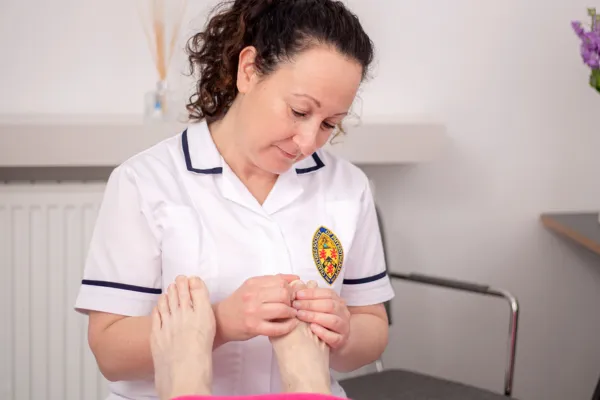
Reflexology is a gentle complementary therapy involving pressure and massage techniques on the feet, and sometimes the hands or ears. It has roots in a range of traditional healing practices and is based on the idea that different areas of the feet correspond with different parts of the body.
From a medical perspective, the calming touch and focused relaxation involved in reflexology may help settle the nervous system, which can be particularly supportive when you are living with stress, worry or physical discomfort. From a holistic perspective, it is often used to encourage a sense of balance and flow throughout the body.
During a session, you will be comfortably seated or lying down, depending on what feels right for you. Gentle oils may be used, alongside warmth, calming music or aromatherapy, to create a nurturing space for rest and relaxation.
1. It can help you feel calmer and more relaxed
Cancer can bring a huge amount of uncertainty, fear and emotional overwhelm. One of the most common things people share after a reflexology session is that they feel calmer, lighter and more able to breathe.
Taking time out for a quiet, supportive treatment can create space to process what is happening and simply rest, without needing to explain, achieve or hold everything together.
2. It is gentle and non-invasive
Reflexology can be adapted to suit many people at different stages of treatment and recovery. Because the treatment focuses on the feet, it can be a comforting option for those who may not feel able to have a full body massage or lie flat for long periods.
Your practitioner should always take your diagnosis, treatment plan, symptoms and preferences into account, and work alongside any advice from your oncology team.
3. It may support comfort alongside pain management
Living with cancer or going through treatment can sometimes involve pain or physical discomfort. Reflexology should never replace pain medication or medical advice, and it's relaxing nature may help some people feel more comfortable and less tense.
When the body and mind have an opportunity to slow down, it can feel easier to cope with the physical and emotional demands of treatment.
4. It creates a sense of wellbeing and self-care
So much of cancer care can feel medical, scheduled and outside of your control. Reflexology offers a gentle opportunity to come back to yourself and receive care in a different way.
Many people value the feeling of being listened to, nurtured and supported as a whole person, rather than being defined by a diagnosis. This can be a powerful part of maintaining emotional wellbeing throughout treatment and beyond.
5. It can support rest and relaxation
Sleep difficulties, fatigue, nausea and anxiety are common experiences for many people affected by cancer and its treatment. Many people find that regular reflexology supports deeper relaxation and rest, and they may notice improvements in symptoms such as sleep, energy levels, nausea and anxiety.
After a session, patients frequently tell me they feel deeply relaxed, emotionally lighter and better able to switch off for a while. Sometimes that moment of peace is exactly what is needed.
Reflexology is a gentle complementary therapy that can sit alongside your medical care, offering time, comfort and calm when life may feel anything but calm. If you would like to explore whether reflexology could be right for you, please get in touch or visit my website to book a treatment.